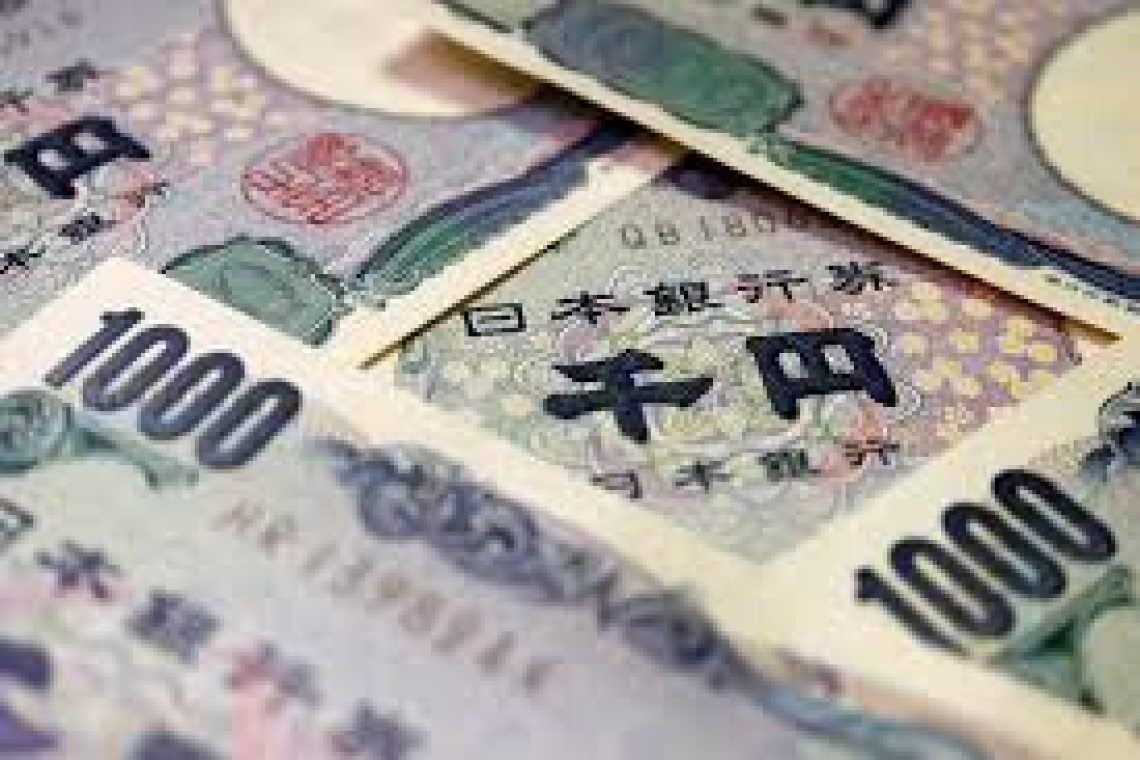
Yesterday, Friday, January 23, Currency Traders spotted reports / desk chatter that the New York Fed (the part of the US Federal Reserve that handles FX operations) was calling major banks and asking detailed questions about current yen trading levels and conditions.
This is called a "rate check". It's not an actual buy/sell order, but it's a very public signal often used right before (or as preparation for) actual currency intervention.
Markets interpreted this as the US potentially helping Japan defend the yen.
These inquiries by the Fed hinted as possibly even a coordinated or at least tacitly supported action (rare, because the US usually doesn't care much about supporting other currencies unless it aligns with bigger G7-type agreements).
Result: The yen suddenly jumped higher (meaning USD/JPY fell sharply) by about 1.7–2% in a very short time, one of the biggest single-day moves in months
Why is this unusual?
The last time the US (via NY Fed) got this visibly involved in supporting the yen was over 25 years ago (late 1990s / Asian financial crisis era, with G7 coordination).
Japan has done unilateral interventions multiple times (buying yen / selling dollars from their reserves), but getting overt US help signals something bigger, markets read it as "the Americans are okay with (or even quietly backing) Japan stopping the yen slide."
This reverses some of the recent yen weakness very quickly and spooks traders who were short yen (betting it would keep falling).
What ZeroHedge is saying:
This isn't just about Japan. If the US gets more involved in "defending" other major currencies, it could put downward pressure on the dollar overall in the longer run.
A stronger yen hurts Japanese exporters but helps cap dollar strength can contribute to broader USD depreciation.
That matters for US stocks/equities because a weaker dollar often helps multinational companies (more value when foreign earnings convert back), but persistent dollar weakness can also reflect worries about US inflation, deficits, or Fed policy.
In short:
Japan has been desperate to stop the yen from collapsing further. On Friday they (with possible quiet US help) flexed some muscle via a very visible signal --yen spiked hard -- markets are now watching whether this was a one-off scare or the start of more serious / coordinated defense of the yen.
Hal Turner Analysis
So many doomsayers have, for years, told the rest of us that when some type of gigantic economic or financial systemic collapse starts, it will begin in Japan. Then, the Doomsayers claim, it will spread within a week to Europe, and afterwards to the USA.
I am still not certain that's true, but I remember it.
So when the US Federal Reserve does something like this to prop-up the Yen, I pay attention.